Groovy Mom: Graphics for Crafts & Branding
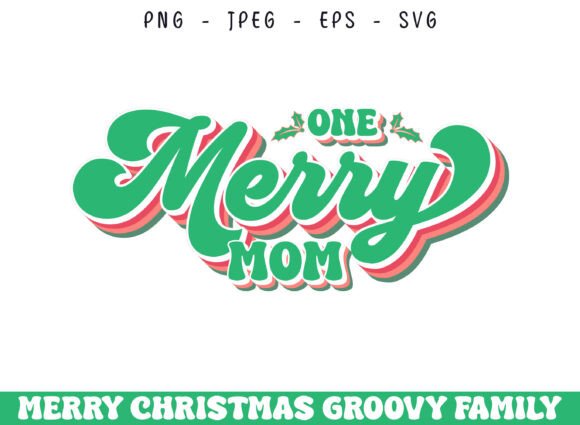
As a brand designer who spends most of my week refining visual identities for local businesses, I am constantly on the hunt for graphic design assets that strike the right balance between personality and professionalism. Recently, I evaluated a collection titled Groovy Mom to see if it could serve as the cornerstone for a new handmade soap business launching in our downtown district. The goal was to create a brand identity that felt approachable yet distinct in a crowded marketplace. Upon first inspection, this asset immediately establishes a mood that is playful, nostalgic, and undeniably warm. It suggests a brand personality that is friendly and feminine without sacrificing modern appeal, making it an excellent candidate for boutique owners and creative entrepreneurs looking to inject character into their small business branding.
Defining the Mood for Local Business Appeal
The aesthetic of Groovy Mom leans heavily into a retro-inspired vibe that resonates deeply with current consumer trends favoring authenticity and handmade quality. For a local business, such as a family-owned bakery or a floral studio, this style communicates a sense of care and individuality that corporate templates often lack. The design elements feel organic and decorative, perfect for businesses that want to appear established yet accessible. When considering product label designs, the asset offers a visual language that says "crafted with love," which is crucial for building immediate customer trust. It avoids the sterile look of mass-produced goods, instead offering a texture and flow that mimics the imperfection of human touch, a key driver in the handmade business sector.
Strategic Applications in Packaging and Print
In a real-world scenario, I envision using these graphics across a wide spectrum of packaging design applications. For the soap brand project, the assets work beautifully as hero graphics on the primary product box, drawing the eye instantly on a retail shelf. Beyond the box, these elements are versatile enough to be scaled down for hang tags, stickers, and thank-you cards included in shipment boxes. The ability to alter colors and sizes means a marketer can adapt the core illustration to fit seasonal campaign visuals, shifting from pastel tones for spring to richer hues for holiday promotions. Furthermore, these graphics excel when used on promotional materials like flyers, posters, and business cards, ensuring a consistent visual thread from the physical product to the marketing collateral.
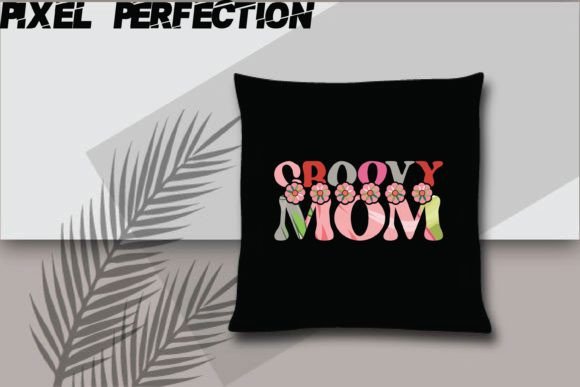
For food businesses or coffee shops, this asset could elevate menu graphics and price lists, adding a layer of charm that encourages customers to linger. The versatility extends to digital realms as well; these illustrations make for engaging social media graphics and website banners that maintain brand consistency across platforms. Whether creating a product mockup for an online store or designing a printable design for in-store signage, the fluidity of the shapes allows for dynamic composition. You can effectively create your own T-shirts, mugs, stencils, wall art, greeting cards and much more, leveraging the flexibility of the files to expand a brand's merchandise line without needing custom illustration from scratch.
Elevating Brand Presentation and Visual Hierarchy
The true value of a high-quality design asset lies in its ability to improve the overall presentation of a business. Integrating Groovy Mom into a brand suite creates a stronger first impression, signaling to the consumer that the business pays attention to detail. This leads to better product recognition; when a customer sees that specific groovy style on a shelf or an Instagram ad, they immediately associate it with the brand. The graphics help establish a clearer visual hierarchy, guiding the viewer's eye to the most important information, such as the product name or key benefits, while the decorative elements provide context and emotion. This results in more professional packaging and stronger emotional connections, which are vital for converting casual browsers into loyal patrons.
These elements are particularly effective as packaging accents or decorative brand elements that frame essential text without overpowering it. They shine in boutique visuals where the story of the product is just as important as the product itself. However, it is important to note where caution is required. These graphics might not be suitable for formal corporate branding or luxury minimalist brands where negative space is the primary design tool. Additionally, one must be careful not to use them on very small labels or in areas crowded with legal information and ingredient lists, as the intricate details could become muddy. They should never compete with critical text, and low-contrast backgrounds should be avoided to ensure legibility.
Practical Notes for Designers and Marketers
Before finalizing any commercial design project, there are several practical steps a designer must take. First, always test the asset on real product mockups to see how the lines hold up in print versus on screen. Check the black and white usage to ensure the design remains effective if printed on a monochrome receipt or stamp. Preview the graphic on small labels to confirm that the "groovy" details do not disappear at reduced sizes. It is also essential to test the illustration with various typography styles; try pairing it with a bold sans serif font for a modern look, a classic serif for elegance, or a handwritten font to enhance the handmade feel.
Since these are often available as SVG design or clipart, inspect the vector editability to ensure you can recolor paths to match specific brand guidelines. If working with PNGs, review the transparency to avoid unwanted white halos around the edges. Most importantly, always confirm the commercial license terms before using the asset for client work or physical product sales. Understanding the rights associated with the digital product ensures that your editorial design, web design, or physical merchandise remains compliant. By treating these Crafts and Graphics as strategic tools rather than just decorations, designers can significantly enhance the market presence of any local enterprise.