Review: My Favorite Trumpet Player Calls Me Mom Design
As a designer who spends more time at the hoop than away from it, I approach every new digital embroidery file with a mix of excitement and skepticism. We have all downloaded a cute graphic only to realize halfway through stitching that the density is wrong or the details are too fine for the intended fabric. Today, I am taking a close look at My Favorite Trumpet Player Calls Me Mom. This isn't just a quick glance at a thumbnail; this is an evaluation of how this specific Crafts and Graphics asset holds up when translated from a screen to a tangible, stitched reality.
First Impressions and Visual Personality
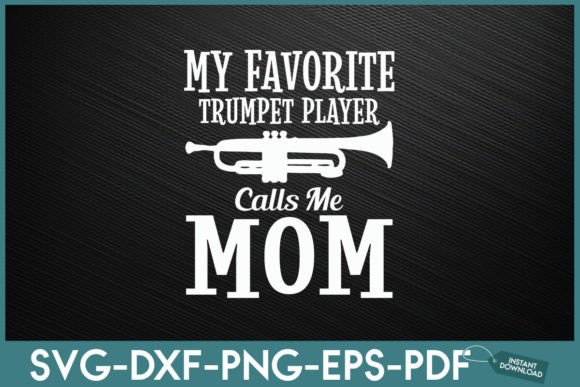
When I first pulled up the preview for My Favorite Trumpet Player Calls Me Mom, the immediate feeling was one of warmth and pride. The layout strikes a balance between playful and sentimental, which is exactly what you want for family-centric apparel. The typography appears clean, suggesting that the lettering is designed to be legible even at smaller scales. For a design centered around music and motherhood, the visual personality feels approachable rather than overly ornate.
The inclusion of the trumpet element adds a necessary focal point. In embroidery, icons like musical instruments can sometimes get lost if they are too intricate, but here the shape seems distinct enough to translate well into thread. Whether rendered in a solid fill stitch or outlined with a running stitch, the instrument needs to pop against the text. My initial assessment is that this design works best when the contrast between the text and the icon is clear, creating a cohesive unit that tells a story at a glance.
Real-World Application: The Sweatshirt Scenario
To truly test the viability of My Favorite Trumpet Player Calls Me Mom, I imagined a specific client request. A local band parent approached me looking for matching gear for the upcoming holiday season. She wanted something for the moms in the booster club—specifically, a comfortable crewneck sweatshirt that could be worn to Friday night games and weekend competitions. This is the perfect real-life scenario for this design.
On a medium-weight cotton blend sweatshirt, the design shines. The fabric provides enough stability to support the stitching without excessive puckering, assuming the right stabilizer is used. I would recommend a cut-away stabilizer for this application to ensure the finished product lasts through multiple washes without the stitches sinking into the fleece backing. The sentiment "My Favorite Trumpet Player Calls Me Mom" resonates deeply in this context; it transforms a standard piece of custom apparel into a badge of honor.
For an Etsy seller or small shop product creator, this design offers high potential. It fits neatly into the niche of "band mom" merchandise, which sees a surge in demand during marching season and before holidays. The design is versatile enough to be marketed as a personalized gift where the customer might ask to swap "Trumpet" for another instrument, provided you have the rights to edit the vector source if it is an SVG, or if you are using it strictly as a reference for a custom digitization job.
Technical Considerations for Stitching
While the aesthetic is strong, practical execution requires attention to detail. When working with any text-heavy machine embroidery design, the size of the hoop matters. If you are attempting to stitch My Favorite Trumpet Player Calls Me Mom on a cap or a small pocket, you must verify the minimum dimensions. Tiny lettering can easily become a blob of thread if the stitch count is too high for the area.
I advise testing the design on scrap fabric first. This is non-negotiable. Check the stitch density specifically in the trumpet bell and the curves of the letters. If the density is too high, you risk needle breaks or fabric distortion. Conversely, if it is too low, the backing fabric might show through, ruining the professional look. For dark fabrics, ensure your thread colors provide sufficient contrast. A gold or brass thread for the trumpet paired with white or cream text usually creates a classic, high-visibility look that appeals to buyers.
There are also considerations for textured fabrics. If you plan to use this on a waffle knit or a heavy towel, the fabric texture can interfere with small details. In those cases, using a topper stabilizer is essential to keep the stitches sitting on top of the loops rather than sinking in. This is particularly important for the finer lines of the trumpet valves.
Versatility Across Products
Beyond sweatshirts, where else does this design fit? Here are a few applications where My Favorite Trumpet Player Calls Me Mom could excel:
- Tote Bag Design: Perfect for carrying sheet music and reeds. Use a heavy canvas and a larger hoop to maximize impact.
- Embroidered Patch: Digitize or stitch this onto twill for an iron-on patch. This allows band moms to add the design to jackets or existing gear without committing to direct embroidery.
- Baby Embroidery: A smaller version on a onesie makes an adorable announcement gift for a new sibling of a band student.
- Kitchen Towels: As a holiday embroidery gift, stitching this on a flour sack towel adds a personal touch to a hostess gift.
However, caution is needed with stretchy fabrics like thin t-shirts. Without proper hooping technique and stabilizer, the text may warp after the first wash. Always consider the end-user's lifestyle. If this is for a commercial embroidery project intended for rigorous activity, durability must be the priority over delicate aesthetics.
Business Value and Customer Trust
From a business perspective, the quality of your design assets directly impacts your brand consistency. Using a well-balanced design like My Favorite Trumpet Player Calls Me Mom enhances the perceived value of your handmade product. Customers are willing to pay more for items that look professionally executed. Clarity in stitching and thoughtful placement signal that you care about the final outcome.
Furthermore, this design aids in buyer engagement. It tells a story that many people identify with. When a customer sees a printable mockup or a photo of the stitched item, they immediately visualize themselves or their friends wearing it. This emotional connection drives sales for craft business owners. It is not just about selling a shirt; it is about selling a sense of community and pride.
Final Designer Notes
Before you commit to production, there are a few housekeeping items to address. Since the source material describes this as an SVG and mentions Silhouette files, remember that these are typically cut files. If you are using them for embroidery, you may need to digitize them yourself or ensure you have purchased the corresponding embroidery file format (like PES, DST, or XXX) if offered by the seller. Do not assume an SVG is ready-to-stitch without checking the license and file types.
Always confirm licensing terms before selling finished items. Some designers allow unlimited commercial use for physical goods, while others restrict the number of sales or prohibit digital resale. Protect your small business by reading the fine print.
In conclusion, My Favorite Trumpet Player Calls Me Mom is a charming addition to any designer's library. With its clear theme and adaptable layout, it serves as a excellent foundation for personalized products and boutique branding. By paying attention to stitch density, fabric choice, and stabilization, you can turn this digital graphic into a cherished keepsake that stands the test of time. Whether for a wedding gift to a musician's mother or a stock item for your online store, this design has the potential to perform beautifully when handled with professional care.